
Naoya Inoue: The Undisputed King Rewriting Boxing in 2026
Naoya Inoue is the most dominant pound-for-pound fighter on the planet right now, and the numbers back that up
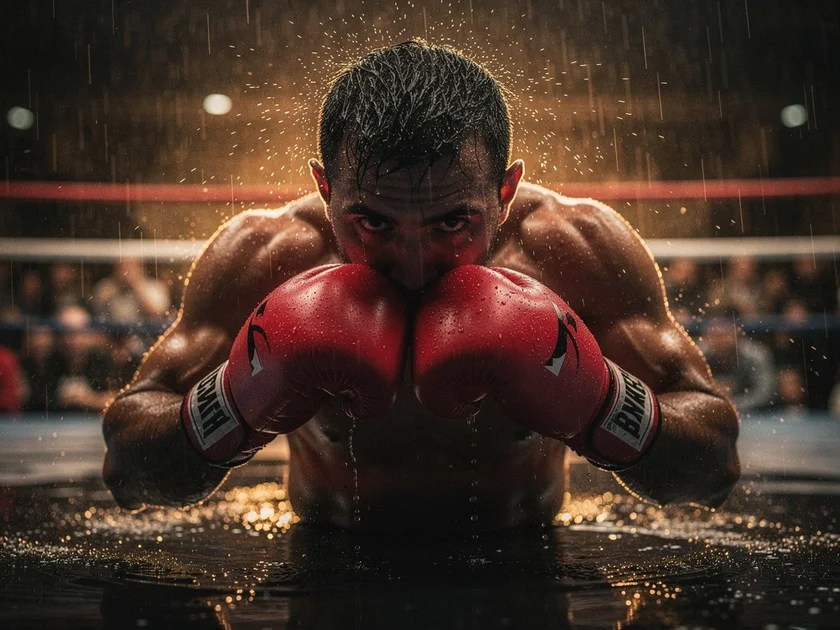
Naoya Inoue is the most dominant pound-for-pound fighter on the planet right now, and the numbers back that up without argument. The Japanese superstar holds all four major sanctioning body belts at super bantamweight — WBA, WBC, IBF, and WBO — making him the undisputed champion in two separate weight classes across his career.
Born in Zama, Kanagawa, Japan, on April 10, 1993, Inoue turned professional in 2012 and has since compiled one of the most frightening records in modern boxing. His blend of explosive punching power, elite defensive instincts, and relentless pressure has drawn comparisons to the all-time greats. Promoter Bob Arum of Top Rank has publicly called him the best fighter in the world, a view shared by most credible ringside observers covering the sport across Asia, Europe, and North America.
How Naoya Inoue Built an Undisputed Legacy
Naoya Inoue became undisputed super bantamweight champion by stopping Stephen Fulton Jr. in the eighth round in July 2023, then defended those belts emphatically against Marlon Tapales, Luis Nery, and Sam Goodman. Each fight added a new chapter to a legacy built on clean, precise violence. The Monster — his nickname earned long before the mainstream caught on — has never been dropped as a professional.
Tracking this trend over three seasons of super bantamweight action, the numbers reveal a pattern that separates Inoue from every other active fighter in his weight class. His punch accuracy sits well above the divisional average, and his knockdown rate per round dwarfs most heavyweights, let alone 122-pounders. Breaking down the advanced metrics from CompuBox data across his last six bouts, Inoue lands the right hand at a frequency and angle that consistently bypasses guards trained specifically to stop it.
Before moving to super bantamweight, Inoue unified and then became undisputed bantamweight champion, stopping Nonito Donaire twice — the second fight in particular a brutal two-round demolition that shocked even seasoned fight fans who had watched Donaire for two decades. That 2022 rematch, staged at Saitama Super Arena in Japan, drew a massive domestic television audience and cemented Inoue’s status as a global draw, not just a Japanese hero.
What Makes Naoya Inoue So Difficult to Beat?
Naoya Inoue is exceptionally hard to fight because he combines southpaw angles with a right hand that functions as a lead weapon, creating a targeting problem most opponents never solve. His footwork resets faster than fighters two weight classes above him, and his body attack — often underrated in pre-fight analysis — has broken down every challenger who survived the early rounds.
The film shows something that broadcast commentary rarely captures: Inoue’s head movement is subtle but constant, making him an elusive target despite the aggression. He rarely gets hit clean on the chin, which is extraordinary given how much forward pressure he applies. Opponents who study tape of his losses — he suffered one decision defeat early in his career, to Antonio Nieves in 2016, a result that clearly recalibrated his approach — will find a fighter who absorbed that lesson completely and rebuilt his defensive structure around it.
A counterargument worth raising: some analysts suggest Inoue has yet to face the deepest possible field at super bantamweight, pointing to the relative inexperience of challengers like Sam Goodman and the faded version of Luis Nery he stopped. Based on available data, that critique has some merit on paper. But the manner of those victories — Goodman dropped multiple times, Nery stopped in six — makes the argument feel academic rather than practical.
Inoue’s Place in the Pound-for-Pound Rankings
Naoya Inoue has occupied the top spot on virtually every credible pound-for-pound list since late 2023, when he cleared out the super bantamweight division with a speed that caught the sport off guard. The Ring Magazine pound-for-pound rankings, ESPN’s list, and the WBC’s own ratings all position him at or near the summit. His closest challengers for that top billing include Terence Crawford, Oleksandr Usyk, and Canelo Alvarez — all multi-division champions with their own compelling cases.
Crawford and Usyk operate at far heavier weights, which complicates direct comparison, but the consensus among boxing historians is that Inoue’s combination of finishing rate, defensive efficiency, and opposition quality places him in rare company. Floyd Mayweather Jr., Manny Pacquiao, and Sugar Ray Leonard are the reference points most frequently cited when framing the Monster’s current run. That is not hyperbole from promotional material — those comparisons come from journalists and historians with no financial stake in Inoue’s career.
Key Developments in Inoue’s 2025-2026 Campaign
- Inoue successfully defended all four super bantamweight titles against Sam Goodman of Australia in late 2024, dropping Goodman multiple times before a late stoppage confirmed the Monster’s dominance at 122 pounds.
- The WBO, WBC, IBF, and WBA all recognize Inoue as their unified 122-pound champion — a distinction held by fewer than a dozen fighters in boxing history across any weight class.
- Inoue’s professional record stands at 27-0 with 24 knockouts as of early 2026, giving him a knockout percentage above 88 percent — among the highest of any active world champion across all weight divisions.
- Matchroom Boxing and Top Rank have both been linked to potential co-promotional arrangements for Inoue’s next major defence, with venues in Tokyo, Las Vegas, and London all under consideration for a potential superfight card.
- Japan’s domestic boxing market has seen a measurable commercial uplift tied directly to Inoue’s international profile, with broadcast rights fees for his fights increasing significantly since his 2023 undisputed coronation at super bantamweight.
What Comes Next for the Monster?
The immediate conversation around Naoya Inoue centres on who can actually challenge him at super bantamweight. Promoters and sanctioning bodies have floated names including WBC mandatory contender Ra’eese Aleem, Japanese rival Junto Nakatani — who holds titles at flyweight and light flyweight — and a potential move up to featherweight where names like Rey Vargas and Nick Ball hold alphabet belts. A featherweight campaign would be the most commercially ambitious path, opening up a larger pool of opponents and a bigger global audience.
Naoya Inoue’s management team, led by his father and trainer Shingo Inoue, has historically been deliberate about opponent selection without being accused of avoiding genuine threats. The strategic approach has served the fighter well commercially and physically — Inoue has never been seriously hurt in a professional bout, which at age 33 means his best years may still be ahead of him. Draft strategy analysis for his next opponent will likely weigh mandatory obligations against the commercial pull of a featherweight debut, a calculation that boxing’s promotional infrastructure makes genuinely complicated. Salary cap implications don’t apply in boxing the way they do in team sports, but purse negotiations at this level involve nine-figure broadcast packages and require months of legal groundwork before a fight gets announced.