
Naoya Inoue and Boxing’s Most Brutal Week in 2026
Naoya Inoue stands alone atop the super bantamweight division in March 2026, a fighter so technically complete that the
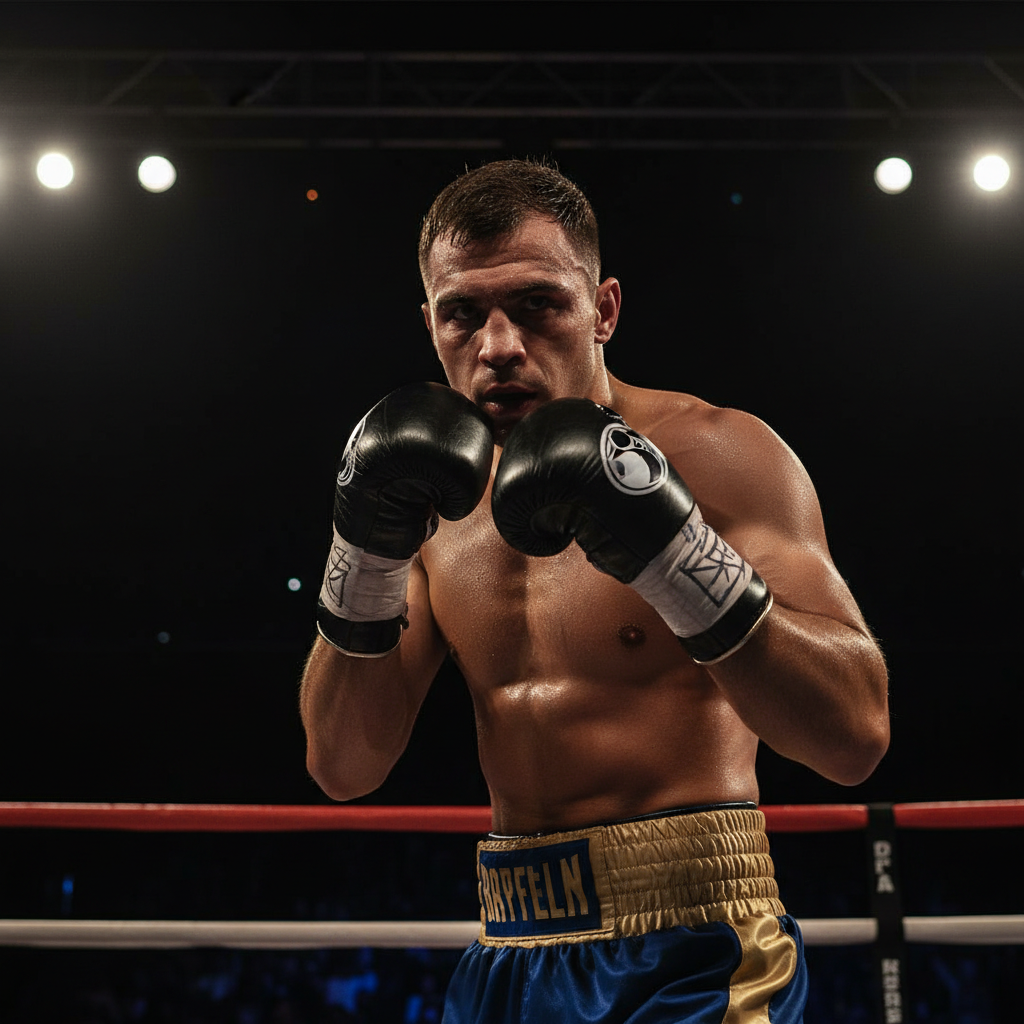
Naoya Inoue stands alone atop the super bantamweight division in March 2026, a fighter so technically complete that the sweet science rarely produces his equal. Yet the sport he represents absorbed a gut-punch this week that no championship belt can answer. On Saturday, March 22, 19-year-old Isis Sio was knocked out during a professional fight in San Bernardino, California, and placed in a medically induced coma the following day.
The contrast cuts deep: boxing’s brightest star shining while one of its youngest participants fights for her life. This is the sport in full, the penthouse and the basement existing in the same week.
What Happened to Isis Sio in San Bernardino
Isis Sio, a 19-year-old professional boxer, was knocked out on Saturday, March 22, during a card held at the Orange Show Events Center in San Bernardino, California. Her opponent was Jocelyn Camarillo, a 21-year-old from Indio, California, who competes under Jake Paul’s Most Valuable Promotions banner. The next day, ProBox TV reported that Sio had been placed in a medically induced coma.
ProBox TV, a streaming and media company owned by Garry Jonas, disclosed Sio’s condition through a social media statement posted on Sunday, March 23. Jonas was listed as one of three promoters for the event. The card featured seven scheduled fights total.
Sio entered the bout with a record of 1-2. She was coming off a first-round knockout loss by body punch on January 30. That defeat was her second professional stoppage. Breaking down the matchmaking here reveals a pattern that demands scrutiny: a teenager with two losses, fresh off a knockout defeat less than two months prior, was cleared to fight again at a lower weight class.
That weight-class drop carries real weight, medically speaking. Sio came into the Camarillo fight seven pounds lighter than her previous bout. Her body absorbed the stress of a cut on top of accumulated damage from recent competition. Medical literature on combat sports consistently links drastic weight reductions in short succession to elevated neurological risk, particularly for fighters who have already been stopped.
Naoya Inoue and the Standard That Exposes the Gap
Naoya Inoue, the undisputed super bantamweight champion, holds the WBA, WBC, IBF, and WBO belts simultaneously at 122 pounds. His career arc throws the Sio situation into painful relief. The Japanese star, promoted through Top Rank and managed with meticulous care, has never been rushed back from a difficult fight or dropped in weight under questionable circumstances.
Inoue compiled an undefeated professional record while unifying every major belt at bantamweight before moving up to claim undisputed status at super bantamweight. His fights carry the combined oversight of four sanctioning bodies, a safety net that lower-level regional cards simply do not replicate. Four organizations reviewing a single fighter’s preparation, medical clearance, and opponent selection creates a structural buffer that club-show promoters are not required to match.
Study his career closely and the film shows something beyond raw talent. Inoue’s longevity and physical condition owe as much to the infrastructure around him as to his own extraordinary gifts. Promoters, trainers, and sanctioning bodies all functioned as intended throughout his rise from 108 pounds to 122 pounds across roughly a decade of professional competition. Saturday night in San Bernardino, that same system failed at every level.
The structural gap between elite boxing and the club-show circuit is precisely where fighters like Sio face the most danger. No four-belt oversight structure protected her. No Top Rank promotional machinery managed her schedule. She fought on seven weeks of rest after a knockout, at a weight her body had not competed at recently, against an opponent with promotional resources she lacked entirely.
Key Developments in the Sio Case
- ProBox TV posted Sio’s medical status via social media on Sunday, March 23, making it the primary public channel for updates on her condition.
- Garry Jonas, the owner of ProBox TV, was listed as one of three promoters for the San Bernardino event, creating a notable overlap between the promoting entity and the company disclosing the fighter’s medical update.
- Camarillo fights for Most Valuable Promotions, the boxing promotional arm connected to YouTube personality and professional boxer Jake Paul.
- Sio’s January 30 loss came via body punch stoppage in the first round, her second professional defeat, meaning she absorbed two stoppages within roughly seven weeks of the Camarillo fight.
- The Orange Show Events Center in San Bernardino hosted all seven bouts on the card, a mid-sized venue that regularly accommodates regional professional boxing in Southern California.
Boxing Oversight and What the Sio Case Demands
The Sio case arrives at a moment when professional boxing’s regulatory patchwork faces renewed pressure. Each U.S. state runs its own athletic commission with varying standards for medical clearance, mandatory rest periods after knockouts, and weight-class eligibility. California, where Saturday’s event took place, operates under the California State Athletic Commission, one of the more active regulatory bodies in the country. Yet the circumstances surrounding Sio’s fight suggest the existing framework did not prevent a dangerous matchup from going forward.
Most state athletic commissions impose mandatory medical suspensions of 30 to 90 days following a stoppage. Sio’s January 30 knockout came roughly seven weeks before March 22, placing her near the minimum threshold even before accounting for the seven-pound weight reduction. Both factors together represent a combination that combat sports medicine researchers flag as high-risk.
Naoya Inoue’s next defense, whenever announced, will proceed under the full machinery of four sanctioning bodies and a major promotional outfit. The broader sport carries a responsibility that championship prestige cannot absolve. An alternative view holds that regional boxing gives developing fighters necessary opportunities and that most events proceed without serious incident. That argument has real merit on its own terms. What it cannot do is account for Isis Sio lying in a medically induced coma at 19 years old, her career barely started, her future uncertain.
Who is Naoya Inoue and what titles does he hold?
Naoya Inoue is a Japanese professional boxer and the undisputed super bantamweight champion, holding the WBA, WBC, IBF, and WBO titles simultaneously at 122 pounds. He previously unified all major belts at bantamweight (118 pounds) before moving up. Promoted by Top Rank, Inoue began his professional career at light flyweight (108 pounds) and has never suffered a mandatory suspension for a knockout loss throughout his rise across multiple weight classes.
What is the California State Athletic Commission’s role in boxer safety?
The California State Athletic Commission regulates professional boxing within the state, setting standards for pre-fight medical exams, mandatory suspension periods following knockouts, and weight-class eligibility. The commission oversees venues like the Orange Show Events Center in San Bernardino. Commission rules require fighters to obtain medical clearance before competing, but enforcement depends heavily on promoters and matchmakers accurately disclosing a fighter’s recent competitive history and physical condition.
What is Most Valuable Promotions and how is Jake Paul connected to boxing?
Most Valuable Promotions is a boxing promotional company co-founded by Jake Paul, the YouTube personality turned professional boxer. The company promotes fighters including Jocelyn Camarillo, Sio’s opponent in the March 22 San Bernardino bout. Paul has fought professionally since 2020 and has publicly advocated for higher fighter pay, though the company’s matchmaking decisions drew scrutiny following Saturday’s incident.
How dangerous is fighting after a recent knockout loss in boxing?
Medical research on combat sports identifies a prior knockout as one of the strongest risk factors for serious neurological injury in a subsequent bout. Most state commissions impose 30 to 90 days of mandatory medical suspension after a stoppage. Sio’s January 30 first-round knockout came roughly seven weeks before March 22, near the minimum threshold, and the added physiological stress of a seven-pound weight cut compounded that risk significantly.
What is ProBox TV and who owns it?
ProBox TV is a boxing-focused streaming and media company owned by Garry Jonas. Jonas was listed as one of three promoters for the March 22 San Bernardino card, creating a dual role for his company as both event promoter and primary public information source after Sio’s injury. ProBox TV broadcasts regional professional boxing and disclosed Sio’s medically induced coma through its social media channels on March 23, 2026.