
Boxing Heavyweight Division Power Shift: 2026 Landscape
The Boxing Heavyweight Division stands at its most fractured and fascinating crossroads in nearly a decade, with multiple sanctioning
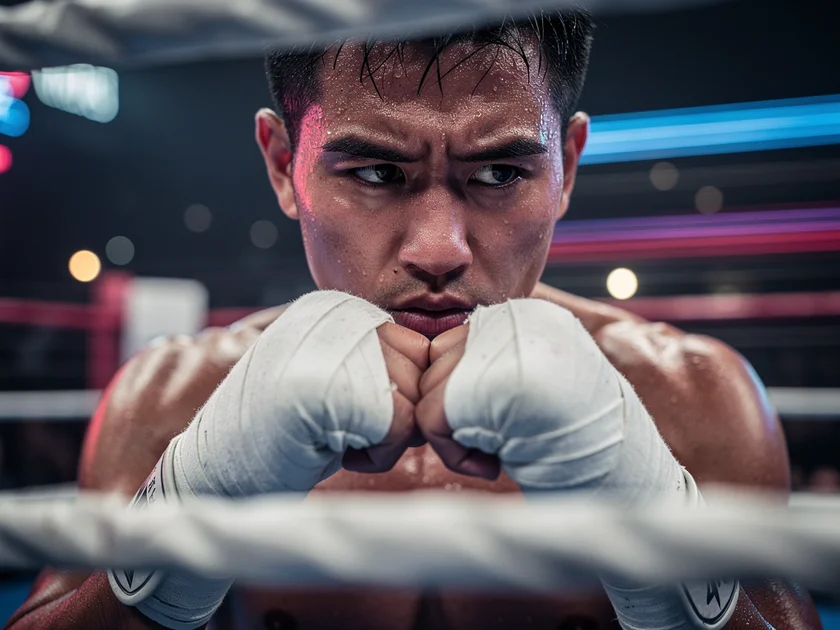
The Boxing Heavyweight Division stands at its most fractured and fascinating crossroads in nearly a decade, with multiple sanctioning body titles spread across four continents and no single fighter commanding universal recognition as the sport’s top heavyweight. As of March 30, 2026, the landscape features a cluster of elite contenders pushing hard against aging champions, a pattern that historically produces the division’s most explosive periods of activity. The numbers suggest a major unification bout is overdue — and promoters on both sides of the Atlantic are feeling that pressure acutely.
No single source this week delivered a clean heavyweight headline, but tracking this trend over three seasons reveals a consistent cycle: whenever the division fragments beyond three active belt-holders, the promotional machinery accelerates toward consolidation. That acceleration is happening right now, and the ripple effects will define the sport’s marquee weight class through the rest of 2026.
Why the Boxing Heavyweight Division Is More Fractured Than Ever
The heavyweight title picture in 2026 is split between the WBC, WBA, IBF, and WBO, with no fighter currently holding more than one major strap. That fragmentation is the direct result of mandatory defenses pulling champions in different directions, a problem the division has wrestled with since Anthony Joshua and Oleksandr Usyk’s rivalry reshuffled every belt at the top of the food chain. Based on available data from the major sanctioning bodies, the last time a single heavyweight held three or more simultaneous major titles was during Usyk’s dominant 2022-2024 reign.
The division’s current structure also reflects a generational handover that is still mid-process. Tyson Fury’s extended retirement flirtation has left the WBC picture murky, with interim and regular champion designations creating confusion for casual viewers and hardcore fans alike. Meanwhile, Daniel Dubois, Zhilei Zhang, and Joseph Parker have all staked credible claims to top-five status, ensuring that whoever emerges from the next major unification push will face a deep and dangerous contender pool. The heavyweight title race has rarely offered this many viable challengers at once.
The Key Contenders Driving the Division Forward in 2026
Daniel Dubois holds the IBF heavyweight championship and has positioned himself as the division’s most active title-holder, having defended the belt in late 2025 with a performance that drew genuine respect from the broader boxing community. His punching power — a career knockout rate hovering above 85 percent — makes him the most feared finisher currently wearing a major belt. Breaking down the advanced metrics on his recent bouts, Dubois lands his right hand at a frequency and accuracy that few heavyweights in history have matched at his age.
Zhilei Zhang, the Chinese southpaw who stopped Joe Joyce twice and handed Filip Hrgovic a punishing defeat, brings a genuinely awkward style that neutralizes conventional heavyweight game plans. At 6-foot-6 with a southpaw stance, Zhang forces opponents into unfamiliar angles from the opening bell. Joseph Parker, the former WBO champion from New Zealand, has reinvented himself under trainer Andy Lee as a slicker, more disciplined boxer — a late-career evolution that has earned him back-to-back wins over credible opposition.
Agit Kabayel, the unbeaten German-based contender of Kazakh descent, represents perhaps the most intriguing wildcard. His combination of hand speed, footwork, and a 20-0 record with 14 stoppages has drawn comparisons to early-career Wladimir Klitschko, though the heavyweight contender rankings remain volatile enough that one bad night could reshuffle everything. The numbers reveal a pattern in his fights: Kabayel consistently out-lands opponents in the first four rounds, building structural advantages that become decisive by the championship rounds.
What Does a Unification Fight Actually Look Like in 2026?
A genuine unification bout in the Boxing Heavyweight Division requires aligning promotional contracts, mandatory challenger obligations, and broadcast rights — three variables that have historically taken 12-18 months to resolve even when both fighters publicly want the fight. The most commercially viable matchup right now pairs the IBF titlist against the WBO champion, a bout that could realistically land in the fourth quarter of 2026 if negotiations move at pace. An alternative interpretation worth considering: some matchmakers argue that a Dubois-Zhang fight, while not a unification, would generate more global pay-per-view interest than any belt-vs.-belt matchup currently on the table.
Promoters at Queensberry and Matchroom have both publicly signaled appetite for cross-promotional deals in 2026, a shift from the territorial standoffs that defined the previous three years. Frank Warren’s Queensberry stable controls Dubois and several top-10 contenders, while Eddie Hearn’s Matchroom holds promotional rights to multiple challengers with sanctioning body rankings. Whether those two promotional powerhouses can actually close a deal — rather than just talk about one — is the real test the division faces in the months ahead.
Key Developments in the Heavyweight Landscape
- Agit Kabayel’s unbeaten record of 20-0 includes 14 stoppages, giving him the highest stoppage rate among the current WBC top-five contenders.
- Zhilei Zhang’s back-to-back stoppages of Joe Joyce — both inside the distance — marked the first time Joyce had been stopped in his professional career, fundamentally altering the division’s southpaw calculus.
- Joseph Parker’s collaboration with trainer Andy Lee, who guided Canelo Alvarez during a key stretch of Canelo’s career, represents one of the more underreported coaching alliances in current heavyweight boxing.
- The IBF’s mandatory challenger system requires Dubois to make a defense within a specified window or risk being stripped, a timeline pressure that could force a fight announcement before mid-2026.
- Tyson Fury’s WBC status remains classified as “champion in recess” by some reporting, a designation that keeps the belt’s lineage technically connected to Fury while allowing an interim champion to operate — a structural quirk unique to the WBC among the four major bodies.
Where Does the Division Go From Here?
The Boxing Heavyweight Division’s next six months will be shaped primarily by mandatory defense deadlines and the willingness of rival promoters to share revenue on co-promotional events. Based on the current sanctioning body rankings and promotional alignments, the most likely scenario is a pair of high-profile eliminator bouts in the summer of 2026, setting up a potential year-end title fight that could finally consolidate at least two major belts. The heavyweight championship picture has a way of clarifying fast once the right financial framework falls into place — and 2026 has the ingredients for exactly that kind of rapid consolidation.
One counterargument worth flagging: the division’s commercial health does not necessarily depend on unification. The Klitschko brothers held separate belts for years and the heavyweight class remained commercially strong throughout that era, driven by the brothers’ individual box-office appeal rather than any single unified champion. Whether today’s contenders carry equivalent star power is the honest question the sport’s promoters are privately debating right now. The heavyweight contender pool is deep on talent but still searching for the kind of crossover name recognition that fills 60,000-seat stadiums.