
Tyson Fury Faces Makhmudov Test as Whyte Issues Warning
Tyson Fury is heading into what Dillian Whyte publicly called “a dangerous fight” as the Gypsy King prepares to
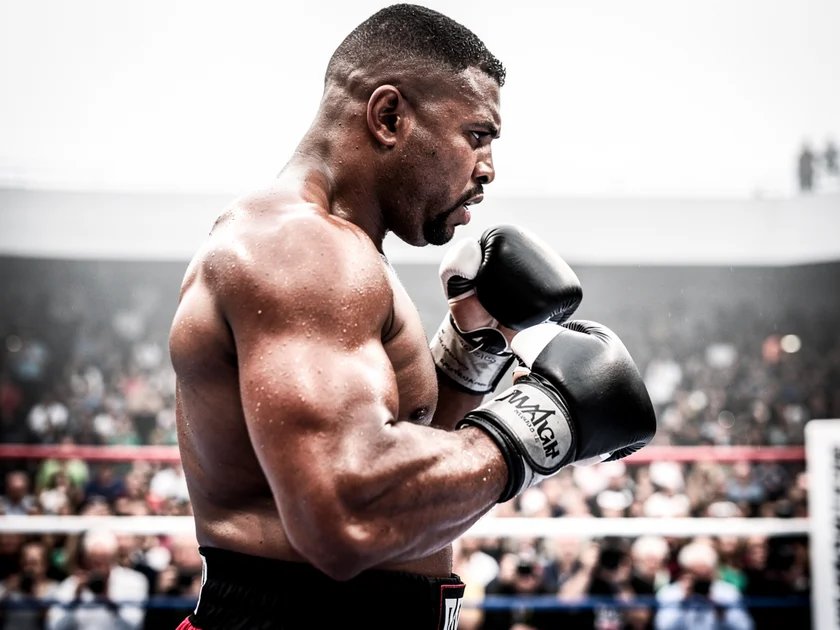
Tyson Fury is heading into what Dillian Whyte publicly called “a dangerous fight” as the Gypsy King prepares to square off against hard-hitting Canadian heavyweight Arslanbek Makhmudov. The warning, surfacing in boxing circles this week, adds weight to what many already suspected: Makhmudov is no tune-up opponent, and Fury’s path back to heavyweight relevance runs through a genuinely threatening puncher.
Fury, the former WBC heavyweight champion who unified the division’s top belts during his dominant run against Deontay Wilder and Wladimir Klitschko, enters this contest at a crossroads. His last outing against Oleksandr Usyk ended in defeat, leaving the lineal championship picture unsettled and the Mancunian giant with something to prove.
Dillian Whyte’s Warning and Why It Carries Weight
Dillian Whyte’s assessment of the Tyson Fury versus Makhmudov matchup landed with the bluntness of a left hook: he called it a dangerous fight, and fighters who have shared a ring with both men know Whyte reads heavyweight power better than most. Whyte himself absorbed a brutal knockout loss and has stood across from some of the division’s most feared punchers, so his alarm carries genuine credibility.
Arslanbek Makhmudov entered professional boxing with a decorated amateur background and has compiled a knockout ratio that demands respect from any opponent, including a former world champion. The Montreal-based Kazakh puncher has not gone the distance often, and that fact alone reshapes how a Fury camp must approach preparation. Breaking down the advanced metrics on Makhmudov’s finishing rate, the numbers suggest a fighter whose right hand operates at elite destructive capacity — the kind that has ended fights against credentialed opponents well before the final bell.
An alternative interpretation exists, of course. Fury’s movement, his 6-foot-9 frame, and his ability to absorb and neutralize pressure — skills sharpened across more than a decade of elite competition — represent tools that have frustrated bigger punchers before. Based on available data from his trilogy with Wilder, Fury absorbed some of the hardest shots in modern heavyweight history and kept functioning. Whether that resilience holds after the Usyk defeat and a period of relative inactivity is a fair question, and one the fight itself will answer.
What Does This Fight Mean for Fury’s Legacy?
Tyson Fury’s legacy sits in a complicated place right now. A win over Makhmudov would reestablish his standing as a mandatory challenger and keep alive any realistic route back to a world title shot. Lose, and the conversation shifts from comeback narrative to retirement speculation — a word that has already circled the Fury camp more than once in recent months.
The Gypsy King’s promotional situation adds another layer. Operating outside the traditional Matchroom and Top Rank infrastructure that defined much of his recent career, Fury’s management team has navigated a shifting promotional landscape. Zuffa Boxing, the organization that recently attracted Conor Benn away from Matchroom, has been aggressive in reshaping heavyweight boxing’s commercial architecture. Where Fury fits within that structure — and whether a Makhmudov victory opens doors to bigger promotional platforms — carries real strategic weight beyond the sport itself.
Tracking this trend over three years of post-Wilder heavyweight boxing, the fighters who have stumbled on “safe” comeback opponents have often found the division unforgiving. Fury’s team would have studied that pattern. Choosing Makhmudov, a legitimately dangerous opponent, suggests either supreme confidence or a calculated bet that a signature win over a feared puncher carries more value than an easier record-padding contest.
The Broader Heavyweight Picture in March 2026
The heavyweight division in March 2026 remains unsettled at the top. Oleksandr Usyk holds the major championship belts after his victory over Fury, and a rematch clause or mandatory challenger pathway could theoretically bring the two men back together. Meanwhile, Anthony Joshua continues his own rebuild, and a reshuffled promotional landscape — with Zuffa Boxing now actively signing major names like Conor Benn — means the commercial geography of big fights is shifting.
Makhmudov’s rise through the heavyweight ranks has been one of the division’s quieter but more consequential storylines. Promoted out of Montreal, he has built a following in Canada and earned recognition from European boxing media as a genuine title threat. A win over Fury would immediately elevate him into mandatory challenger conversations across multiple sanctioning bodies, fundamentally altering the division’s short-term landscape. For Fury, the fight represents not just a personal test but a moment that will define where he stands in the heavyweight pecking order heading into the second half of 2026.
Key Developments Surrounding the Fury-Makhmudov Bout
- Dillian Whyte, a former WBC interim heavyweight champion who has faced elite-level competition himself, issued a public warning about the dangers Makhmudov poses to Fury ahead of their scheduled bout.
- Conor Benn’s departure from Matchroom to Zuffa Boxing signals a broader promotional shift in British boxing that could affect how major heavyweight fights, including Fury’s future bouts, are packaged and distributed.
- Benn cited uncertainty about his crowd reception after switching promoters, a dynamic that mirrors questions about Fury’s own fan base loyalty following his loss to Usyk and subsequent period of inactivity.
- Zuffa Boxing’s aggressive expansion into the British boxing market, evidenced by the Benn signing, places it in direct competition with Matchroom for the promotional rights to marquee heavyweight events.
- The Fury-Makhmudov fight surfaces in the same news cycle as Benn’s April bout against Regis Prograis, reflecting a broader spring 2026 boxing calendar that is unusually dense with high-stakes matchups across multiple weight classes.
What Comes Next for the Gypsy King?
Fury’s immediate future hinges on the Makhmudov result, but the longer arc of his career points toward one remaining ambition: reclaiming a world heavyweight title. A victory in this fight would make him impossible to exclude from mandatory challenger rankings, and the numbers suggest a potential Usyk rematch or a title shot against whoever holds the WBC belt could follow within twelve months. The promotional landscape, with Zuffa Boxing now a serious player alongside Matchroom and Top Rank, means the commercial machinery to make such a fight happen is more competitive — and potentially more lucrative for Fury — than at any previous point in his career.
Based on available data from his recent activity and the public commentary emerging from Whyte and others close to the heavyweight scene, Fury appears motivated rather than diminished. The Gypsy King has defied retirement predictions before. Whether this particular chapter ends in triumph or closes a remarkable career remains the sport’s most compelling open question heading into spring 2026.
Who is Arslanbek Makhmudov and why is he considered dangerous?
Arslanbek Makhmudov is a Kazakhstan-born heavyweight contender based in Montreal, Canada, with a professional record built almost entirely on knockouts. His right hand is regarded as one of the most powerful in the division, and he has stopped credentialed opponents well before the championship rounds. Dillian Whyte publicly flagged the matchup as a dangerous fight for Fury, a view widely shared in heavyweight boxing circles.
What is Zuffa Boxing and how does it relate to Tyson Fury?
Zuffa Boxing is a promotional organization that has been aggressively signing major boxing talent, including Conor Benn, who left the established Matchroom promotional banner to join them ahead of his April 2026 fight against Regis Prograis. Zuffa’s expansion into British boxing creates a new commercial competitor in the heavyweight space, potentially opening alternative promotional pathways for fighters like Fury outside the traditional Matchroom and Top Rank structures.
Has Tyson Fury ever lost a professional boxing match before the Usyk fight?
Fury’s professional record includes a controversial draw against Deontay Wilder in December 2018, which many ringside observers scored as a Fury victory, before he went on to stop Wilder in their rematch and trilogy bouts. The defeat to Oleksandr Usyk marked the first time a judge’s scorecard officially recorded a loss on Fury’s record, making it a historically significant result for the former unified heavyweight champion.
When is the Tyson Fury vs Makhmudov fight scheduled?
An exact confirmed date for the Fury versus Makhmudov bout had not been officially announced in detail across available sources as of late March 2026, though the fight was being actively discussed in the context of the spring 2026 heavyweight calendar. Dillian Whyte’s public warning about the matchup emerged on March 25, 2026, indicating the bout is in active preparation.
What weight class does Conor Benn compete in, and how does his situation connect to Fury?
Conor Benn competes at welterweight, a division far removed from Fury’s heavyweight world, but his April 2026 fight against Regis Prograis and his move from Matchroom to Zuffa Boxing illustrate the same promotional disruption affecting heavyweight boxing. Benn acknowledged uncertainty about his crowd reception after switching promoters — a sentiment that echoes broader questions about fighter loyalty and promotional allegiances that surround Fury’s own career decisions.