
Memphis Grizzlies 2026 Playoff Push: Where They Stand
The Memphis Grizzlies enter the final stretch of the 2025-26 NBA regular season with playoff seeding very much in
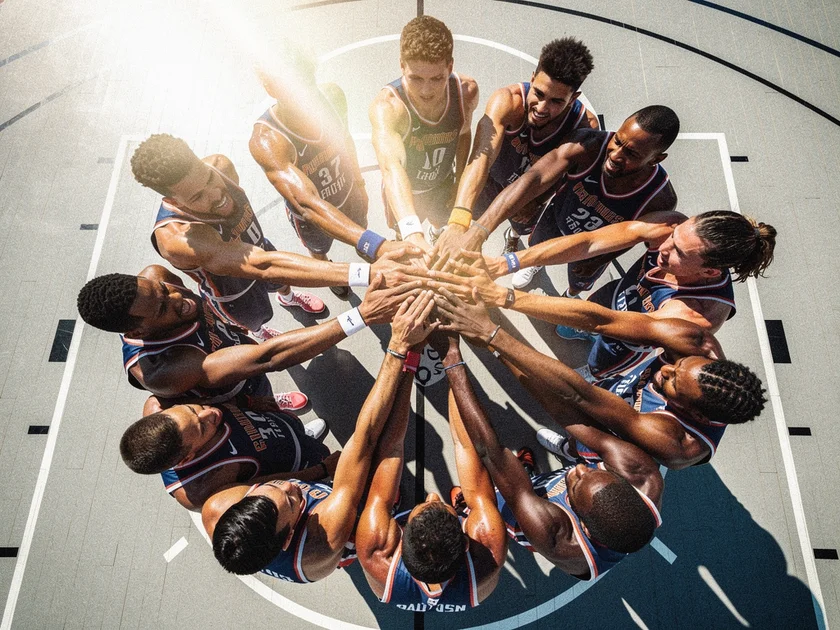
The Memphis Grizzlies enter the final stretch of the 2025-26 NBA regular season with playoff seeding very much in flux. March 9, 2026, finds the club in a familiar spot — talented, volatile, and compelling to watch. Their Southwest Division rivals, including the Dallas Mavericks, Houston Rockets, and San Antonio Spurs, are all within striking distance of the same postseason slots.
Three seasons of advanced metrics reveal a persistent pattern: the Grizzlies generate elite offensive efficiency in transition but struggle to sustain their defensive rating across back-to-back games. That structural tension — fast-break brilliance offset by lapses in half-court defense — defines the ceiling and floor of this roster heading into the postseason race.
A Crowded Western Conference Picture
The Western Conference in 2026 has become a gauntlet. Oklahoma City and Denver have separated themselves near the top, while a dense cluster of squads battles for the fifth through eighth seeds. Playoff seeding in the West now carries enormous weight given the play-in format, where a single bad night can end a season before it truly begins.
Ja Morant has been the engine driving the offense all season. His usage rate ranks among the NBA’s top ten, and the team’s net rating climbs sharply when he logs more than 32 minutes per game. The film shows an offense that is more Morant-dependent than the front office brass would prefer at this stage of roster construction.
Surrounding him with shooters who space the floor has been an ongoing priority. The salary cap situation has complicated that effort throughout the current roster cycle, leaving head coach Taylor Jenkins to work with a rotation that is top-heavy in star power but thin in secondary creation.
Jaren Jackson Jr. anchors the defensive scheme. His shot-blocking and defensive rating when healthy place him among the league’s elite big men. Memphis’s rim protection metrics drop measurably without him on the floor — that kind of two-way impact gives the squad a viable postseason identity, even if the margin for error is thin.
How the Southwest Division Race Shapes Memphis’s Chances
Read more: Chicago Bulls Chase Play-In Spot After
The Southwest Division race is the most direct factor shaping Memphis’s playoff seeding. Dallas, Houston, and San Antonio each present different tactical problems. The Mavericks’ spacing and pick-and-roll execution can exploit occasional lapses in perimeter coverage. Houston’s youth and pace can match — and sometimes exceed — the Grizzlies’ transition speed.
San Antonio, rebuilding but competitive, has shown enough fight to steal games from division leaders. Over three seasons, the Grizzlies have historically performed better in March than in January. That pattern aligns with Morant’s tendency to raise his assist-to-turnover ratio as the schedule tightens — a qualitative edge that box scores routinely undervalue.
Memphis’s strength of schedule over the final 20 games ranks among the more demanding in the conference. That factor will test roster depth in ways the starting five alone cannot absorb. One counterpoint: bench production has been inconsistent enough that relying on a deep playoff run may be premature. Win shares from non-starters have trended below league average, and that gap becomes harder to hide when opponents game-plan specifically for Morant and Jackson.
Key Developments to Watch in March 2026
- Southwest Division matchups in March represent the most concentrated stretch of division play, with outcomes directly affecting seeding relative to Dallas, Houston, and San Antonio.
- Bleacher Report’s divisional tracker lists the Grizzlies alongside the Mavericks, Pelicans, Rockets, and Spurs — five teams with overlapping playoff ambitions and diverging roster trajectories.
- Jackson’s per-36 block rate has increased in each of the past three seasons, a trend that makes his minute management one of the most closely watched coaching decisions down the stretch.
- The play-in tournament threshold means the club must finish no lower than tenth in the West to keep their season alive — a cutoff that has shaped roster decisions since the format was adopted.
- Trade deadline moves were constrained by cap space, leaving Jenkins to optimize rotations with current personnel through the end of the regular season.
Roster Future and Offseason Calculus
Read more: NBA Power Rankings: Spurs and Celtics
Memphis Grizzlies front office decisions made between now and the offseason will carry long-term consequences. How deep the team advances — or whether they exit in the play-in round — shapes draft strategy for 2026 and beyond. A first-round exit likely accelerates internal conversations about the defensive scheme adjustments needed to compete with the conference’s top seeds. A deeper run buys time and, more importantly, validation for the current core.
The salary cap implications of the Morant and Jackson contracts will dominate the offseason regardless of playoff outcome. Both players represent max-level commitments. The front office must decide whether to pursue complementary pieces through free agency or rely on development from younger rotation players. That calculus — star-driven roster construction versus depth-first flexibility — is the defining tension heading into 2026-27.
Taylor Jenkins, entering his seventh season as head coach, has built genuine tactical credibility with this group. His ability to extract defensive effort from a roster that prefers to run is the variable most likely to determine how far the squad advances. The coaching staff’s scheme adaptability — particularly their willingness to switch between zone and man-to-man looks depending on opponent personnel — has been a quiet competitive advantage that broader coverage tends to overlook.
What seed are the Memphis Grizzlies currently in the 2026 NBA playoffs?
The Grizzlies are competing for a fifth-through-eighth seed in the Western Conference as of March 2026, with their exact standing fluctuating based on results from Southwest Division rivals. The play-in tournament format means any seed from seventh through tenth still extends the season, which raises the urgency of every remaining divisional contest.
Who is the head coach of the Memphis Grizzlies in 2026?
Taylor Jenkins has served as head coach since 2019, making 2025-26 his seventh year leading the club. Jenkins is recognized for rotating between zone and man-to-man defensive coverage based on opposing roster tendencies — a scheme flexibility that has helped Memphis stay competitive despite roster turnover in the backcourt depth chart.
How does the NBA play-in tournament affect the Memphis Grizzlies?
Under the play-in format, teams finishing seventh through tenth in each conference qualify for single-elimination or win-or-go-home contests before the traditional bracket begins. For Memphis, dropping below tenth in the West ends the season outright. The format was introduced in 2021 and has since made late-February and March results far more consequential for bubble squads than they were under the old seeding structure.
Which teams are the Memphis Grizzlies’ main rivals in the Southwest Division?
The NBA Southwest Division includes the Grizzlies, Dallas Mavericks, New Orleans Pelicans, Houston Rockets, and San Antonio Spurs. Dallas and Houston pose the most direct competitive threats based on roster construction and pace of play, while San Antonio’s youth has made them a credible spoiler in division matchups throughout the second half of the season.
What is Jaren Jackson Jr.’s role for the Memphis Grizzlies?
Jackson functions as the primary rim protector and defensive anchor. The numbers reveal that Memphis’s overall defensive metrics decline significantly when he sits — a depth-chart vulnerability that opposing coaches actively target in late-game situations and pick-and-roll sets. His shot-blocking volume has grown each of the past three seasons, reinforcing his value as an irreplaceable piece of the team’s defensive identity.